newYou can now listen to Fox News articles.
Ann ancient christian monastery complex A recent discovery in Egypt sheds new light on the monastic life of Upper Egypt during the Byzantine period.
Egypt’s Ministry of Tourism and Antiquities announced the discovery on January 6th.
The ministry said in a statement translated from Arabic to English that the complex was discovered at the al-Qariyya ruins in the village of Al-Duwail, Sohag governorate.
Christian symbols discovered in 2,000-year-old Roman halls and Biblical cities of the Apocalypse
The statement said archaeologists discovered the remains of a “fully integrated residential complex for monks dating back to the Byzantine period” at the site.
“This discovery was made during ongoing excavations at the site and includes the remains of a building constructed of mud bricks.”
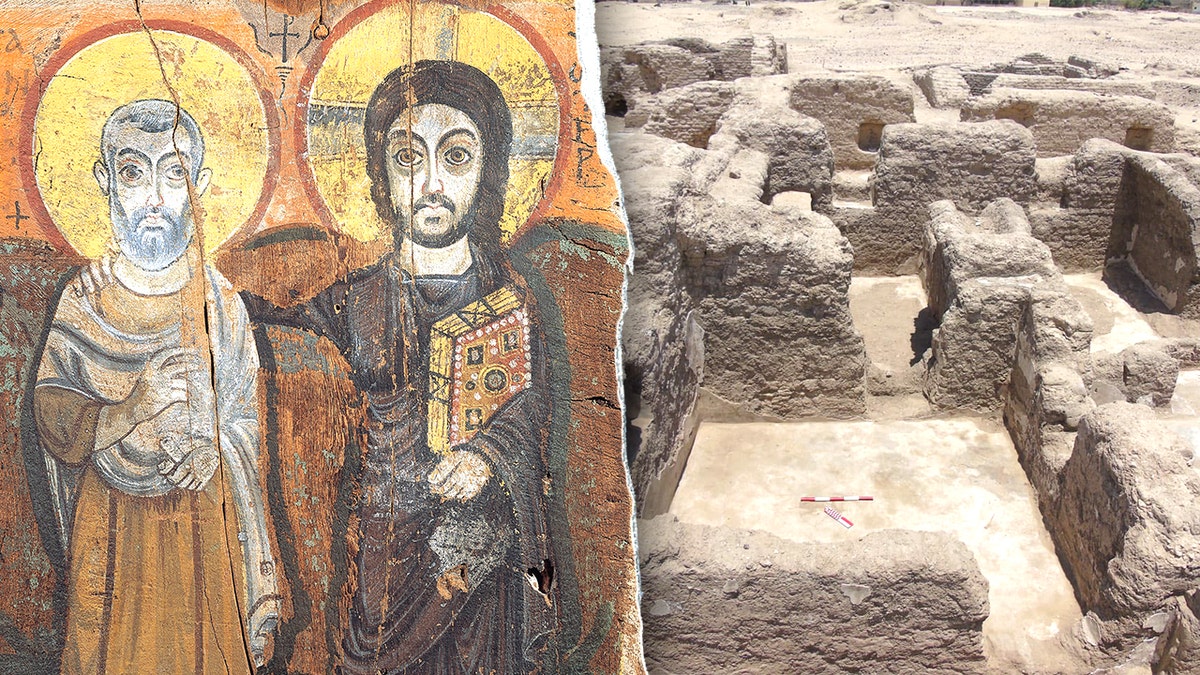
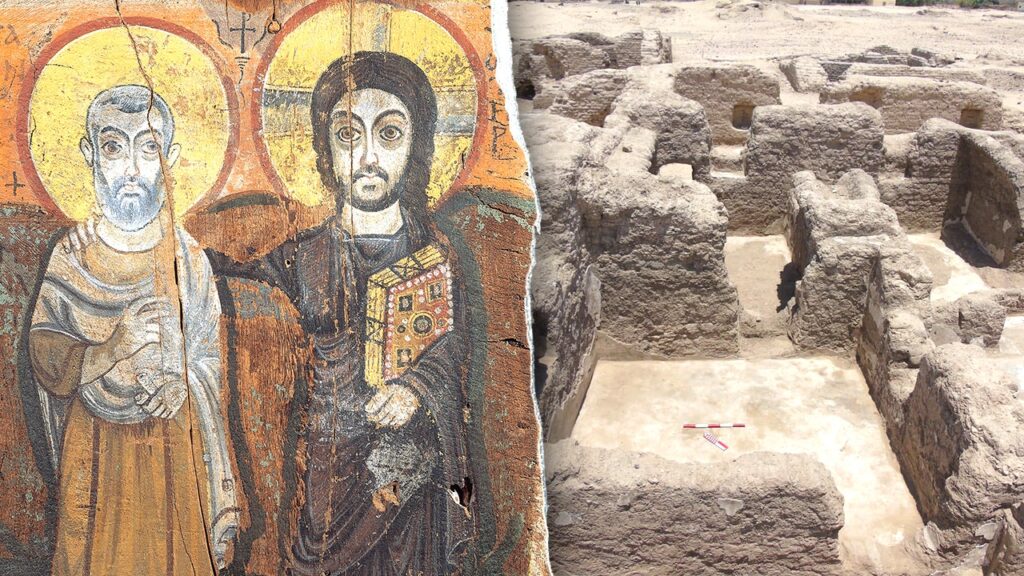
Early Christian icons representing Byzantine monastic life are shown on the left, and the ruins of a newly discovered Christian monastic complex in Egypt’s Sohag province are shown on the right. (Egypt Ministry of Tourism and Antiquities)
In Egypt, the Byzantine period lasted from approximately the 4th century AD until the beginning of the Arab conquest in 641 AD.
Archaeologists also discovered an adobe building measuring approximately 26-by-23 feet to 46-by-26 feet, running from west to east, officials said.
“These structures include a rectangular hall with what appears to be an eastern niche or apse used for worship, as well as a number of vaulted chambers that may have been used as cells or rooms. monk’s dedication” the ministry said.
The discovery provides “new information about monastic life in Upper Egypt during the Byzantine period.”
The building was used for various purposes, from meal time To the “industrial activities” that kept the site running.
Click here to sign up for our lifestyle newsletter
“Some of the buildings are distinguished by the presence of a courtyard on the south side with an entrance, as well as the remains of a small circular structure that is thought to have been used as a monk’s table.”
Officials added: “The excavations also revealed the remains of a structure consisting of a basin built of red brick and limestone and covered with a layer of red plaster. It was probably used for water storage and certain industrial activities related to the nature of the site.”
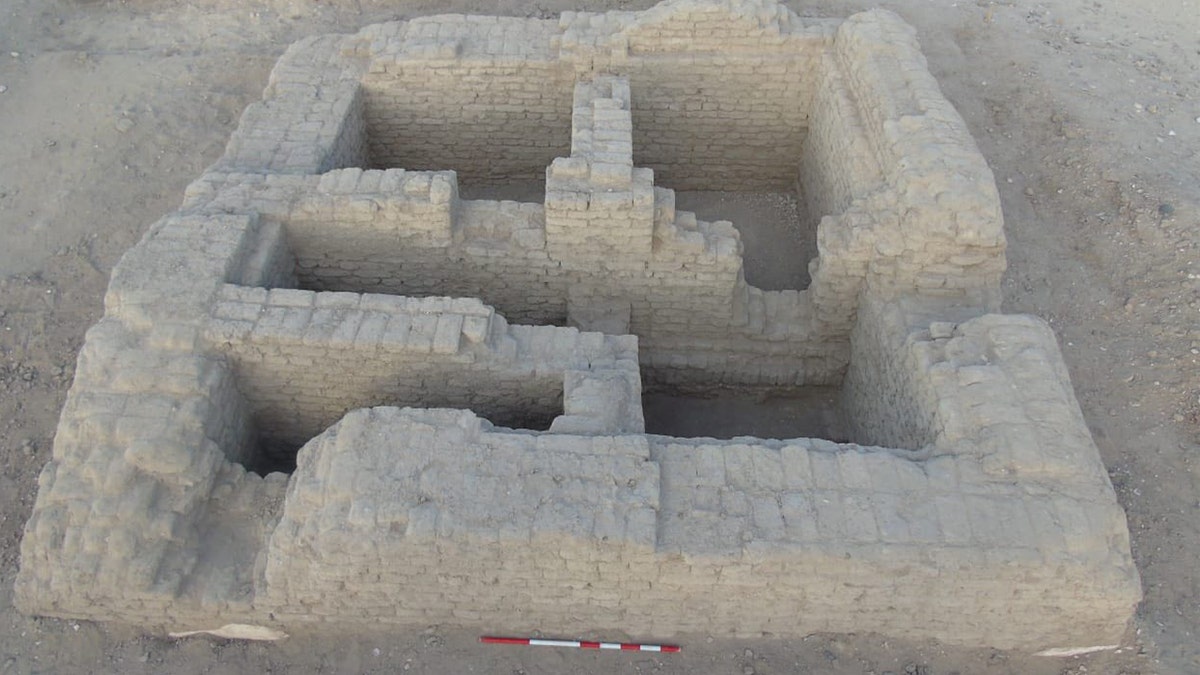
Archaeologists have discovered an adobe structure that is believed to be part of a fully integrated living facility for monks. (Egypt Ministry of Tourism and Antiquities)
The second adobe building probably served as: main church Officials said archaeologists have identified three distinct areas inside the complex: the nave, the choir and the sanctuary.
Test yourself with our latest lifestyle quiz
“Remains of adobe columns were found in the nave, indicating that it was covered by a central dome. The sanctuary, on the other hand, is located in a semicircle in the center on the east side, with two side chambers on either side,” the statement said.
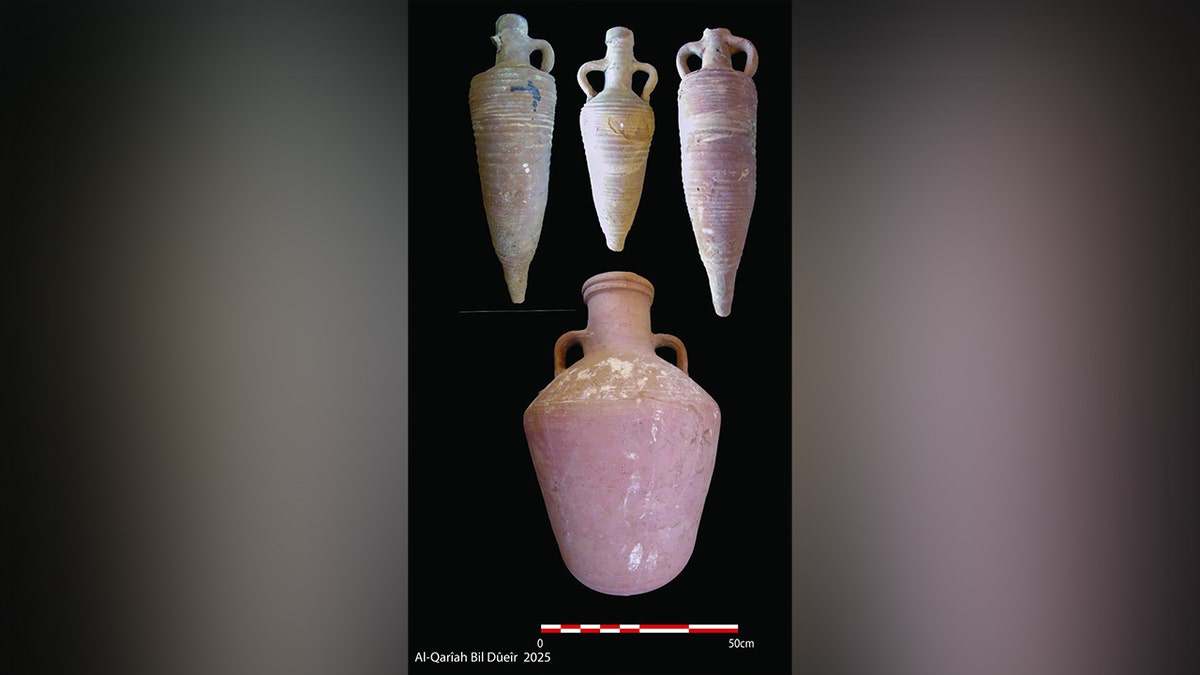
The artifacts included amphorae with unknown inscriptions, ostraca with Coptic inscriptions, limestone panels, and “tools of everyday life.”
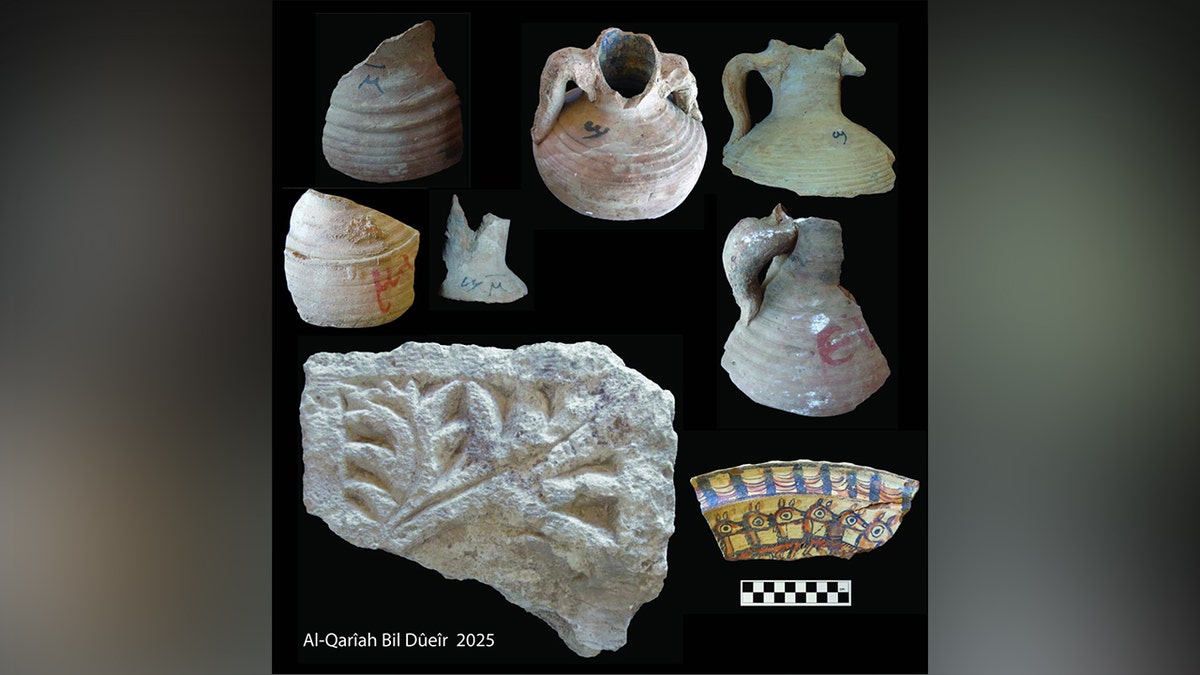
Artifacts recovered at the site include amphorae, limestone panels, and tools used in daily life. (Egypt Ministry of Tourism and Antiquities)
The discovery “provides new information about monastic life” upper egypt in the Byzantine period,” officials said.
Click here for more lifestyle stories
Minister of Tourism and Antiquities Sherif Fathy said the discovery will support the ministry’s efforts to “develop cultural tourism and highlight non-traditional archaeological destinations.”
Egypt remains a treasure trove of archaeological discoveries, with new discoveries being announced every month.
Officials said the discovery provides valuable insight into Upper Egypt’s Christian monastic tradition. (Egypt Ministry of Tourism and Antiquities)
During the summer, archaeologists ancient workshop The Sinai region is “rich with secrets.”
CLICK HERE TO GET THE FOX NEWS APP
This was revealed by Egyptian authorities early last year. graves you’ve never seen An ancient Egyptian official in Luxor Governorate.